1. Introduction to Nutrition
You’ve probably heard the saying, “you are what you eat.” But I like to think of it this way: let your food reflect who you are. The meals you choose can show discipline, creativity, playfulness, and even versatility. In a lot of ways, what’s on your plate says a whole lot about you.
Food is life, literally. Our survival depends on it. But it’s also so much more than fuel. Food is culture, food is joy, food is connection, expression, and community. Each of us has a unique and personal relationship with it, and I believe food is one of the greatest gift we have to live our best lives.
Of course, that relationship isn’t always easy. Maybe your environment and finances makes it tough to choose healthier options. Or maybe discipline feels harder to maintain than a 7-day juice cleanse (and way less fun). The good news? Food behaviours are learned which means they can also be unlearned, adjusted, and relearned in ways that truly serve you.
2. The Science of Weight Loss
The science of weight loss is simple, Energy Input (calories in) - Energy Output (calories out) = Energy Balance
Weight Gain - A positive energy balance happens when you consume more calories than your body uses. The excess energy is stored as fat, leading to weight gain.
Weight Loss - Weight loss occurs when there’s a negative energy balance, when you burn more calories than you consume. In this state, your body uses stored fat for energy, resulting in weight loss. This is often referred to as a calorie deficit.
But is it really that simple?
If it were, more than 40% of Britons wouldn’t find themselves trying to lose weight each year. The reality is that weight loss is influenced by a complex mix of factors, including life experiences, genetics, culture, finances, and even geography: all of which shape our food choices.
That said, I believe that with the right support, anyone can achieve their health goals.
3. Benefits of Healthy Eating
The benefits of healthy eating are well-known: living a longer, healthier life, boosting immunity, improving mood, and feeling better about yourself. Yet, despite understanding these benefits, the reality of maintaining healthy habits can often feel challenging.
As a qualified nutritionist with expertise in Behavioural change, I understand that it all starts with the mind our thoughts and beliefs about food, and more importantly, about ourselves. With my expertise, I combine the science of healthy eating with a focus on addressing the root causes of behaviours and mindset.
Whether your goal is to lose weight, manage health conditions like high blood pressure or prediabetes, or simply adopt a healthier diet, I am here to guide and support you every step of the way.
Food myths
Carbs are bad
Due to popular diet fads, like the Atkins and keto promising quick results . Such diets frame cabs as the villain. Most people associate carbs with processed food like pastries, chips and pizza which can spike your blood sugar. The truth is carbs include fruits, vegetables, legumes and whole grains. Carbs are essential and your body and brain needs it for energy. The key is in the choices you make, opting for wholegrains, complex carbohydrates, pairing with protein and healthy fats.
ignore diet, exercise only
While exercise is important, your diet really matters! Food isn’t just calories, it contains nutrients which you body uses to function therefore, the quality of the nutrients matter. A poor diet full of junk food will leave you feeling depleted no matter how much you move. Nutrition plays a part in inflammation, mood , immune function. Nutrition and exercise work hand in hand therefore, good nutrition fuel your body for exercise. Whilst exercise is essential, nutrition builds the foundation it stands on. So no, you can’t out run a bad eating habit.
All calories are equal
A 200 calorie donut and a 200 calorie salmon do not have the same nutrition value. The donut is mostly sugar and fat whilst he salmon is full of omega-3s and vitamins . One results in an energy crash, whilst the other leaves you feeling fuller. Furthermore, calories from salmon, vegetables and fruits bring with it antioxidants, fiber and vitamins. Same calories, different value!
Healthy eating is expensive
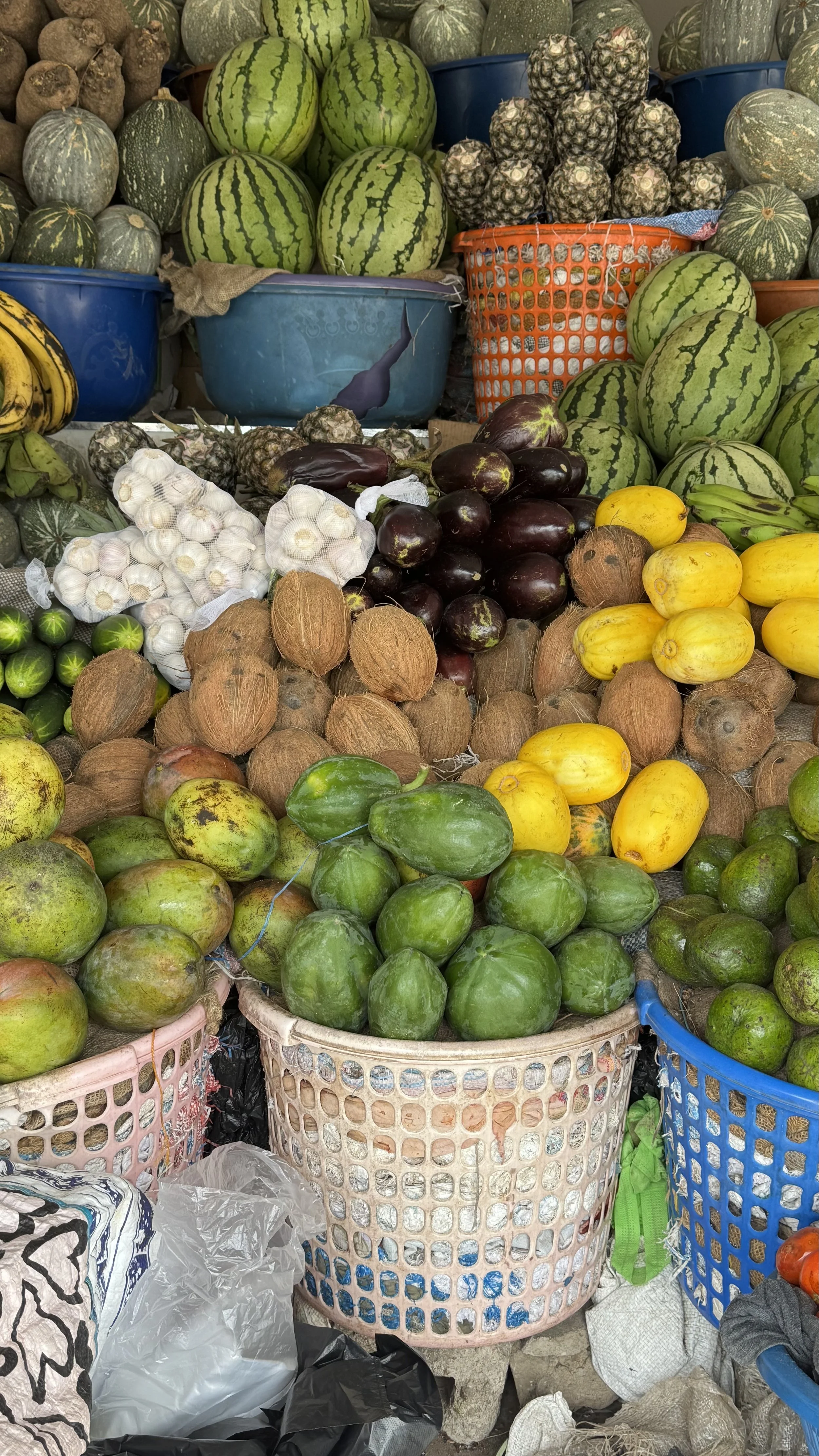
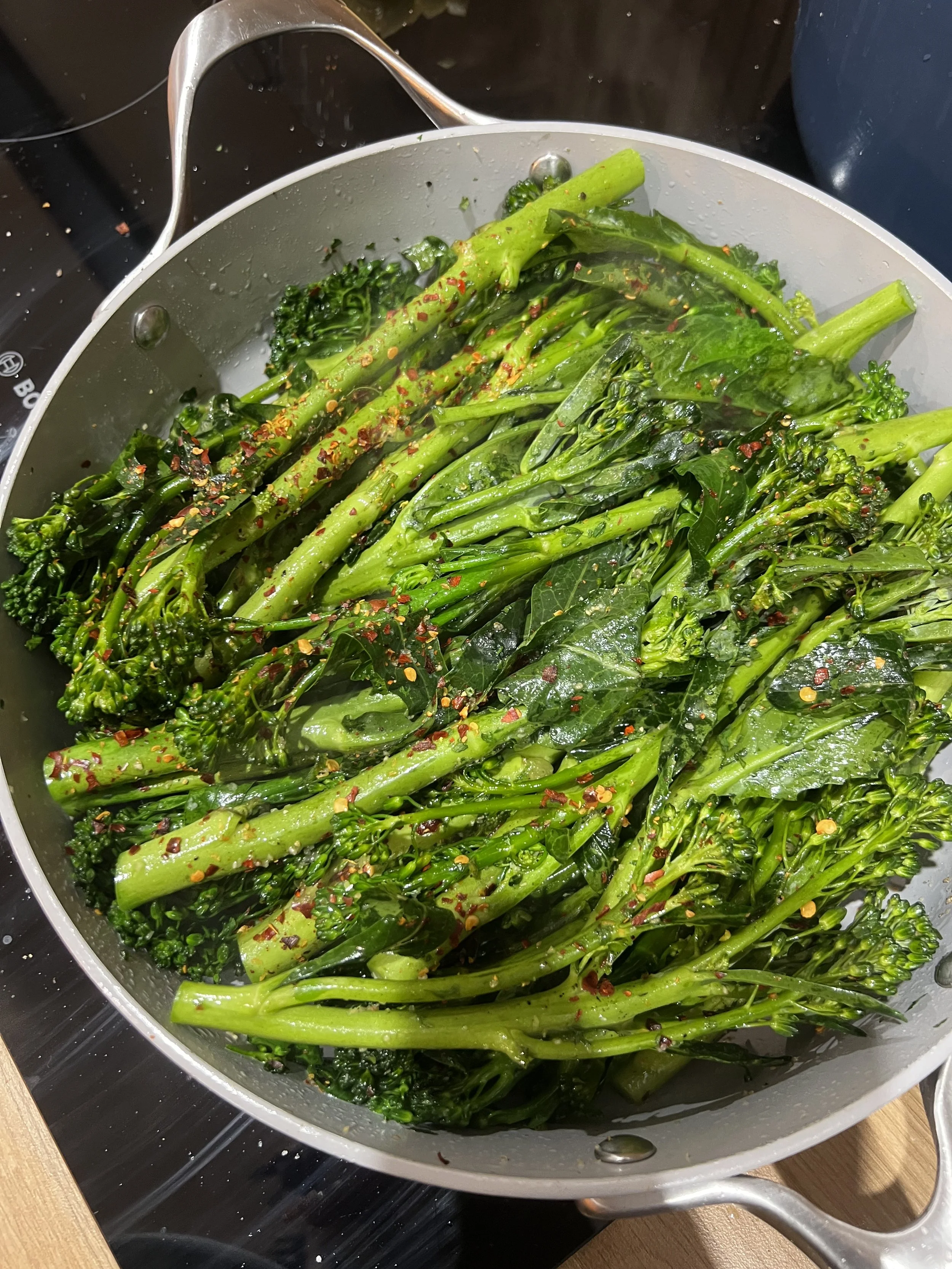
A common misconception is that fruits and vegetables are expensive. Planning meals in advance and intentional shopping is cheaper than the alternative. Yes it takes effort to eat healthy, you have to be intentional and mindful. Try and do the maths yourself.
fat makes you fat
Fat is essential for your body, it helps keep you satisfied, slows down digestion. Whilst fat has more calories per gram compare to carbs and protein. Weight gain is a result from eating more calories than your body is using up. Like calories, all fats are not created equal. Fats from nuts, fatty fish, avocado, olive oil is not the same as trans fat from processed food like pizza or ready meals. Like carbs, fats is not the enemy, it's all about the choices you make.
fat burning foods
Food such as celery and grapefruit may slightly impact insulin level, it doesn’t directly burn fat. No single food can override the process of eating slightly less calories than you burn. There is no magic fix, no fat burning teas or easy way out.
What I can offer you is a sustainable way of living without sacrificing your sanity or feeling like you’re missing out.